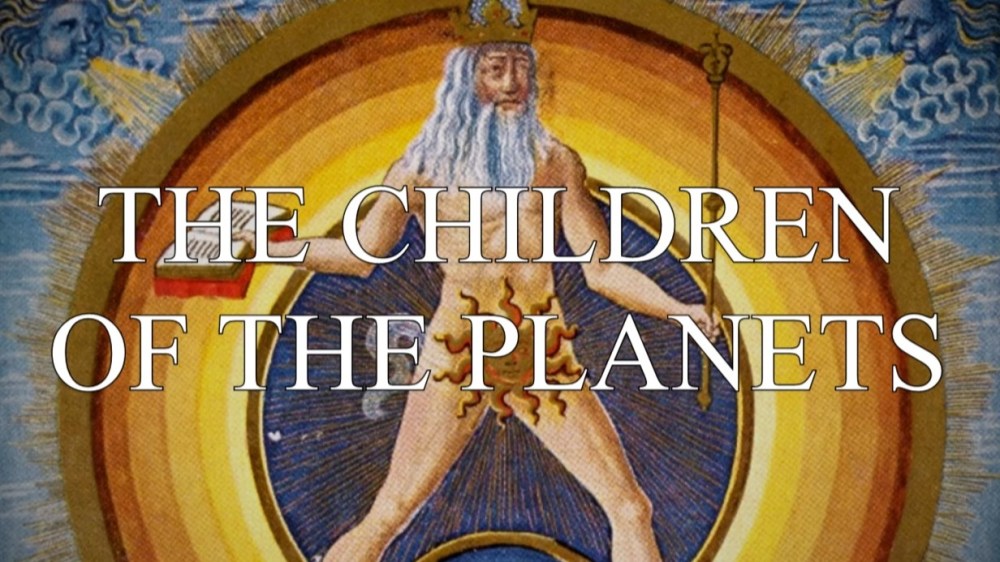
At the intersection of art history and astrology lies the fascinating genre known as the “Children of the Planets” (or Planetenkinder). This motif, popular in the Medieval, Renaissance, and Early Modern periods, depicts the human activities, professions, and temperaments believed to be governed by the seven classical planets: Saturn, Jupiter, Mars, the Sun, Venus, Mercury, and the Moon. In this video, we explore how dozens of artists throughout the centuries brought these celestial influences to life, whether through oil paintings, illuminated manuscripts, or woodcut engravings, and uncover a tradition reflecting the intensely analogical, hierarchical, and moral worldview of a bygone age.
Bibliography:
– Dan Attrell and David Porreca. The Picatrix: A Medieval Treatise on Astral Magic. University Park: Penn State University Press, 2019.
– Dieter Blume, “Children of the Planets: the Popularization of Astrology in the 15th Century”, in Micrologus: Nature, Sciences and Medieval Societies. Rivista della Società Internazionale per lo Studio del Medio Evo Latino, vol. 12 (2004), pp. 549-84.
– Olivier Dupuis. “When Fencers and Wrestlers were the Children of the Sun.” Martial Culture in Medieval Town (2020).
– Herrera, Breanne. The Children of the Planets: Freedom, Necessity, and the Impact of the Stars – The Iconographic Dimensions of a Pan-European Early Modern Discourse. Master’s thesis, Central European University, History Department, 2012.
– Raymond Klibansky, Erwin Panofsky, and Fritz Saxl, Saturn and Melancholy: Studies in the History of Natural Philosophy, Religion, and Art (London: Nelson, 1964).
 The Modern Hermeticist